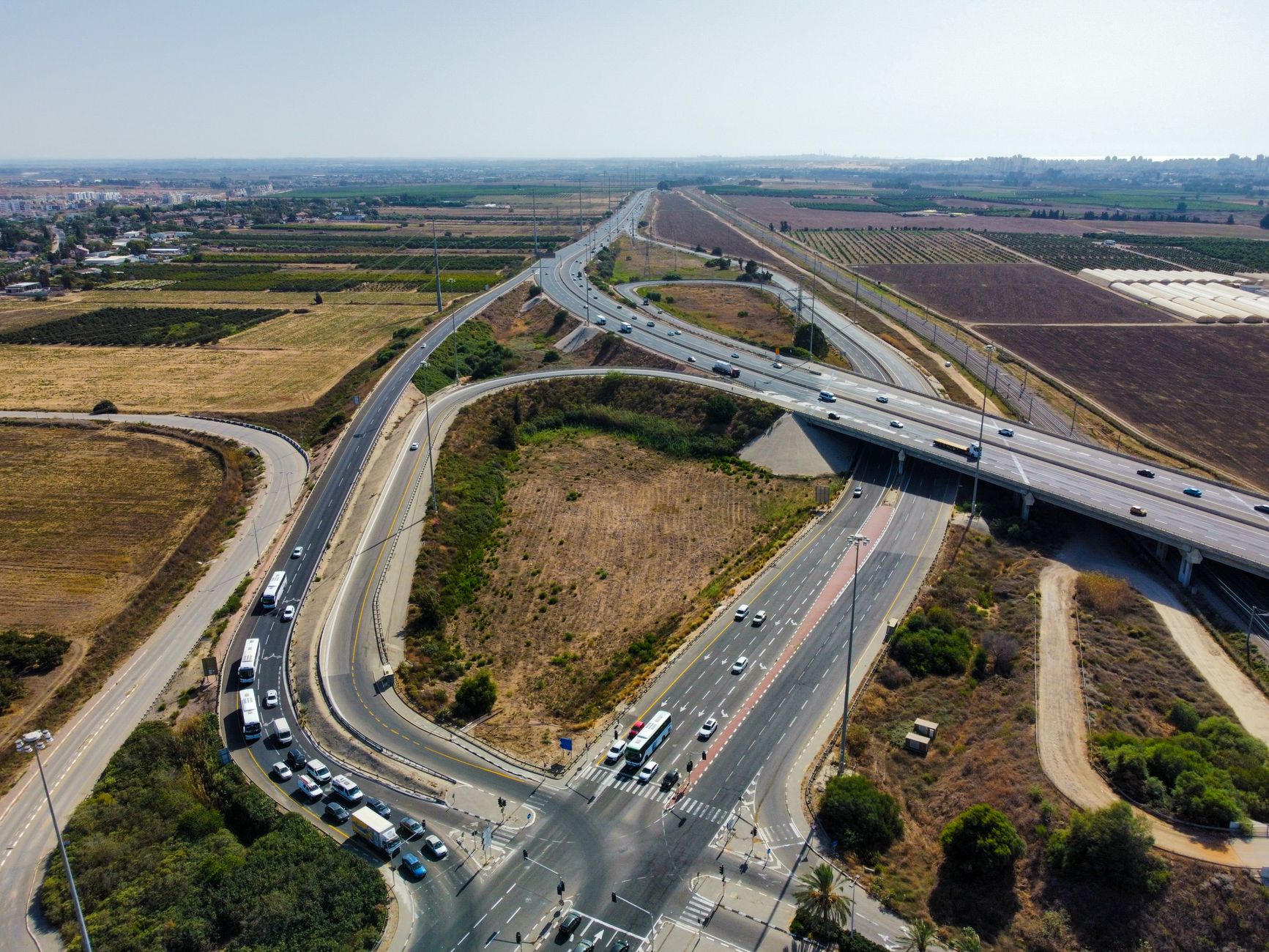
strategic road infrastructure is under review in Arunachal Pradesh as part of project Brahmank, aiming to boost development and connectivity in the region.
Importance of Strategic Road Infrastructure
Strategic road infrastructure plays a crucial role in the overall development of a region, particularly in remote areas like Arunachal Pradesh. The recent review by the Directorate General Border Roads (DGBR) highlights the significance of enhancing road networks under project Brahmank.
This initiative aims to improve connectivity, which is essential for various sectors including trade, tourism, and emergency services. The benefits of developing strategic road infrastructure are manifold:
- Economic Growth: Improved roads facilitate better access to markets, boosting local economies and creating job opportunities.
- Social Integration: Enhanced connectivity helps bridge the gap between isolated communities, promoting social cohesion and access to essential services.
- Security Enhancements: Reliable road networks are vital for national security, enabling efficient movement of personnel and resources in border areas.
- Environmental Considerations: Thoughtfully planned road infrastructure can also minimize ecological impacts and improve sustainable land use.
In conclusion, investing in strategic road infrastructure is not only a pathway to economic growth but also a foundation for social and environmental progress.
Challenges in Strategic Road Infrastructure
While strategic road infrastructure plays a crucial role in economic development, several challenges hinder its effective implementation. These challenges can significantly impact the benefits derived from such projects.
- Funding Constraints: Limited financial resources often restrict the scope and scale of road development projects. Governments may struggle to secure adequate funding, leading to delayed or incomplete infrastructure.
- Geographical Barriers: Many regions, particularly in hilly or remote areas, pose significant engineering challenges. The terrain can complicate construction efforts, increasing costs and timeframes.
- Environmental Concerns: Road construction frequently faces opposition from environmental groups. Striking a balance between development and ecological preservation is essential but can be contentious.
- Land Acquisition Issues: Acquiring land for road projects can lead to disputes and legal challenges, causing further delays. Engaging local communities early in the process is vital to mitigate this issue.
- Maintenance and Sustainability: Ensuring long-term maintenance of strategic road infrastructure is often overlooked, leading to deterioration and reduced usability over time.
Addressing these challenges is critical to maximizing the benefits of strategic road infrastructure for development.
Future of Strategic Road Infrastructure
The future of strategic road infrastructure holds significant promise for enhancing connectivity and promoting economic growth. As nations continue to invest in their road networks, the focus will shift towards integrating advanced technologies to improve efficiency and safety.
One key aspect of this evolution will be the incorporation of smart road systems. These systems will leverage intelligent transportation technologies that can optimize traffic flow, monitor road conditions, and enhance communication between vehicles and infrastructure. This approach not only aims to reduce congestion but also to minimize environmental impact.
Furthermore, the development of strategic road infrastructure will increasingly consider sustainability. Innovative materials and construction techniques are being explored to ensure that roads can withstand climate change challenges while supporting long-term economic activities.
In addition, enhancing public-private partnerships will be crucial. By fostering collaboration between governments and private sectors, resources can be pooled effectively to accelerate the implementation of critical road projects.
Ultimately, the future of strategic road infrastructure will be characterized by a commitment to resilience, efficiency, and sustainability, ensuring that communities can thrive in a rapidly changing world.
Funding for Strategic Road Infrastructure
Securing adequate funding for strategic road infrastructure is crucial for enhancing connectivity and promoting economic development. Various funding mechanisms can be explored to ensure the successful implementation of road projects.
Government budgets often allocate a significant portion for infrastructure development, but additional sources are essential to meet growing demands. Potential funding avenues include:
- Public-Private Partnerships (PPPs): Collaborations between government and private entities can leverage private investment and expertise.
- International Financial Institutions: Organizations such as the World Bank and Asian Development Bank can provide financial support and technical assistance.
- Grants and Donations: Non-governmental organizations and foundations often offer grants aimed at improving infrastructure in developing regions.
- Bonds and Loans: Issuing bonds or securing loans can help raise immediate capital for large-scale projects.
By diversifying funding sources, governments can effectively address the financial challenges associated with building and maintaining strategic road infrastructure, ultimately fostering sustainable development.
Impact of Strategic Road Infrastructure
The impact of strategic road infrastructure on regional development cannot be overstated. It serves as a catalyst for economic growth, connecting remote areas to urban centers and facilitating trade and commerce. The development of these roads enhances accessibility, leading to improved mobility for people and goods.
Key benefits of strategic road infrastructure include:
- Economic Growth: Improved road networks reduce transportation costs and increase efficiency, enabling local businesses to thrive.
- Job Creation: The construction and maintenance of roads generate employment opportunities, providing livelihoods to many in the community.
- Social Development: Enhanced connectivity allows for better access to healthcare, education, and essential services, significantly improving the quality of life.
- Tourism Boost: Well-developed roads attract tourists, which can lead to increased revenue for local businesses and the government.
As illustrated by the recent review of strategic road infrastructure development under project Brahmank in Arunachal Pradesh, these initiatives are crucial for fostering holistic development and connecting underserved regions to the broader economy.
Community Involvement in Strategic Road Infrastructure
Community involvement plays a crucial role in the successful implementation of strategic road infrastructure projects. Engaging local populations not only fosters a sense of ownership but also ensures that the infrastructure meets the unique needs of the community.
One significant aspect of community involvement includes:
- Consultation and Feedback: Local residents can provide valuable insights regarding the challenges they face and the improvements needed in the road infrastructure.
- Employment Opportunities: Involving community members in construction and maintenance projects can create jobs and stimulate local economies.
- Environmental Stewardship: Communities can help identify environmentally sensitive areas that need protection during the development of strategic road infrastructure.
Moreover, when communities are actively involved, they are more likely to support and advocate for the project, reducing potential conflicts and delays. Successful examples from various regions illustrate that collaborative efforts can lead to more efficient and sustainable outcomes, benefiting both the local population and the broader goals of development.
By prioritizing community involvement, strategic road infrastructure can be developed in a way that not only enhances connectivity but also promotes social cohesion and economic growth.
Photo by Lio Voo on Pexels
