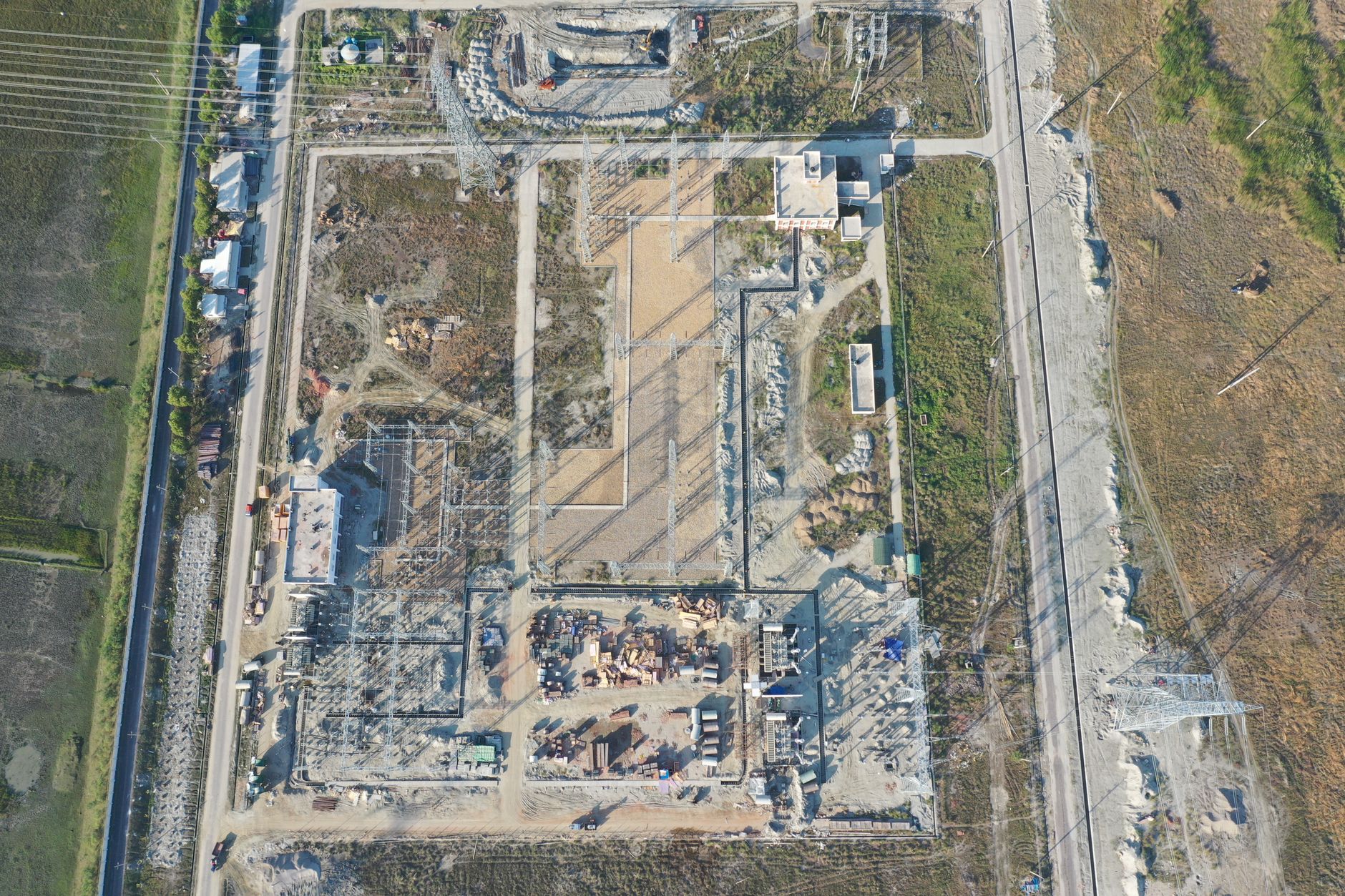
Adani power project has sparked controversy as it involves the eviction of 1,400 families in Assam. This development raises significant concerns about social justice and land rights.
Overview of the Adani power project
The Adani power project has generated significant controversy following its launch on land in Assam, where approximately 1,400 Muslim families were evicted. This development has raised concerns regarding the social and economic impact on the affected communities.
The project aims to boost energy production in the region, but critics argue that the costs to local families are too high. The evictions have led to widespread discontent, as many families lost their homes and livelihoods in the process. The situation has sparked protests and calls for intervention from various human rights organizations.
Key points about the Adani power project include:
- Location: The project is situated in a region with a significant Muslim population.
- Eviction Impact: Over 1,400 families have been displaced, leading to concerns about homelessness and poverty.
- Community Response: Local activists have mobilized to demand fair compensation and resettlement options for those affected.
The long-term effects of the Adani power project on the local population remain to be seen, but the immediate repercussions are clear and troubling for those displaced.
Impact on local communities
The Adani power project has raised significant concerns regarding its impact on local communities, particularly the 1,400 families who have been displaced. These families, primarily from the Muslim community, were evicted from their homes to make way for the power facility, resulting in a profound disruption of their lives.
Many of those affected are now struggling to find adequate housing and livelihoods. The eviction has not only displaced them physically but also shattered their social fabric and cultural connections. Residents have reported feelings of insecurity and uncertainty about their future as they navigate the challenges of relocation.
Community leaders emphasize that the consequences of the Adani power project extend beyond mere displacement. They highlight several key issues:
- Loss of Community Support: Displaced families are separated from their networks, which provided emotional and economic support.
- Economic Hardship: Many former residents relied on local resources and jobs that are now inaccessible.
- Health Concerns: The stress of displacement is taking a toll on the mental and physical well-being of those affected.
As discussions continue, the voices of these families remain critical in addressing the broader implications of the Adani power project.
Government response to evictions
The government has faced significant backlash regarding the recent evictions linked to the Adani power project. Local officials assert that the project is crucial for economic development and energy security in the region. However, the response has not alleviated concerns among the affected communities.
In a recent statement, a government spokesperson emphasized the need for progress, saying, “The Adani power project will create jobs and provide electricity to thousands, contributing to Assam’s growth.” Despite these claims, many residents have expressed feelings of betrayal and anger over the loss of their homes.
Several advocacy groups have condemned the government’s actions, arguing that the evictions were carried out without proper compensation or consideration for the families’ livelihoods. Community leaders have organized protests to demand accountability and fair treatment for those displaced.
Amid the rising tensions, the government has promised to review the compensation packages offered to the evicted families. Some officials have suggested that assistance programs could help mitigate the worst impacts of the Adani power project on affected communities, but many remain skeptical.
As the situation unfolds, the future of the displaced families hangs in the balance.
Economic implications of the project
The Adani power project has sparked significant debate regarding its economic implications, particularly for the displaced families. As the project progresses, the 1,400 families evicted from their land have faced severe financial repercussions.
Many of these families relied on agriculture as their primary source of income, cultivating crops that sustained not only their livelihoods but also the local economy. The loss of their land has resulted in:
- Increased poverty: Families are struggling to meet basic needs, leading to a rise in poverty levels within the community.
- Unemployment: The displacement has left many without jobs, exacerbating the economic strain on local businesses.
- Loss of community cohesion: The evictions have fractured social ties, making it difficult for families to support one another in times of crisis.
While the Adani power project is expected to generate employment opportunities in the long term, the immediate effects on the displaced families highlight a stark contrast. Until adequate compensation and support measures are implemented, the economic outlook for these families remains grim.
Environmental concerns raised
The launch of the Adani power project has sparked significant environmental concerns among local communities and environmental activists. Critics argue that the construction and operation of the project could lead to severe ecological damage in the region.
Key issues raised include:
- Deforestation: The project requires extensive land clearing, which could disrupt local ecosystems and lead to loss of biodiversity.
- Water resources: There are fears that the project’s water usage may deplete local water supplies, affecting agriculture and drinking water for nearby residents.
- Pollution: Concerns have been voiced about air and water pollution as a result of the power plant’s operations, which could have detrimental health effects on the surrounding populations.
- Climate change: The reliance on fossil fuels for power generation raises questions about the project’s impact on climate change, particularly in a region already vulnerable to environmental shifts.
As the Adani power project moves forward, environmentalists are calling for rigorous assessments and accountability to mitigate its worst impacts on both the environment and the displaced families.
Future of land rights in Assam
The future of land rights in Assam has become a focal point of concern following the launch of the Adani power project. The project, which has evicted approximately 1,400 families, raises critical questions about the protection of land rights for vulnerable communities.
Many of these evicted families, primarily from Muslim backgrounds, face an uncertain future as they struggle to find new homes and sources of income. The abrupt nature of the evictions has intensified fears about the state’s commitment to safeguarding land rights, particularly for marginalized groups.
Local activists argue that the Adani power project represents a broader trend of prioritizing corporate interests over the rights of individuals. They emphasize that land is not merely a commodity but a vital part of cultural identity and community cohesion.
In light of these developments, there is an urgent need for dialogue between the government and affected communities to address the challenges posed by such large-scale projects. The future of land rights in Assam may depend on finding a balance that respects both development and the fundamental rights of its residents.
Public reaction and protests
Public reaction to the Adani power project has been overwhelmingly negative, as local communities express their outrage over the eviction of 1,400 families. Many residents feel that their voices have been ignored in the decision-making process, leading to a surge in protests across the region.
Protesters have raised several key concerns, including:
- Loss of homes: Families displaced from their ancestral lands are struggling to find adequate housing and resources.
- Livelihood disruption: The evictions have significantly impacted local economies, particularly for those relying on agriculture and small businesses.
- Cultural erasure: Many residents fear the loss of their cultural identity as communities are dismantled.
- Environmental justice: Activists argue that the Adani power project threatens local ecosystems, which could further harm the communities that depend on them.
The protests have garnered attention from human rights organizations, who are now calling for a reevaluation of the project in light of its social implications. As tensions rise, it remains to be seen how the government will address the growing discontent surrounding the Adani power project.
Photo by Faqrul 2023 on Pexels
Read the original
Related reading
Adani Power project: Worthy investment for Dhubri’s future · Tourism Infrastructure Projects: Proven Benefits for India · Kimpton Ashbel New York: The Best New Hotel Experience
