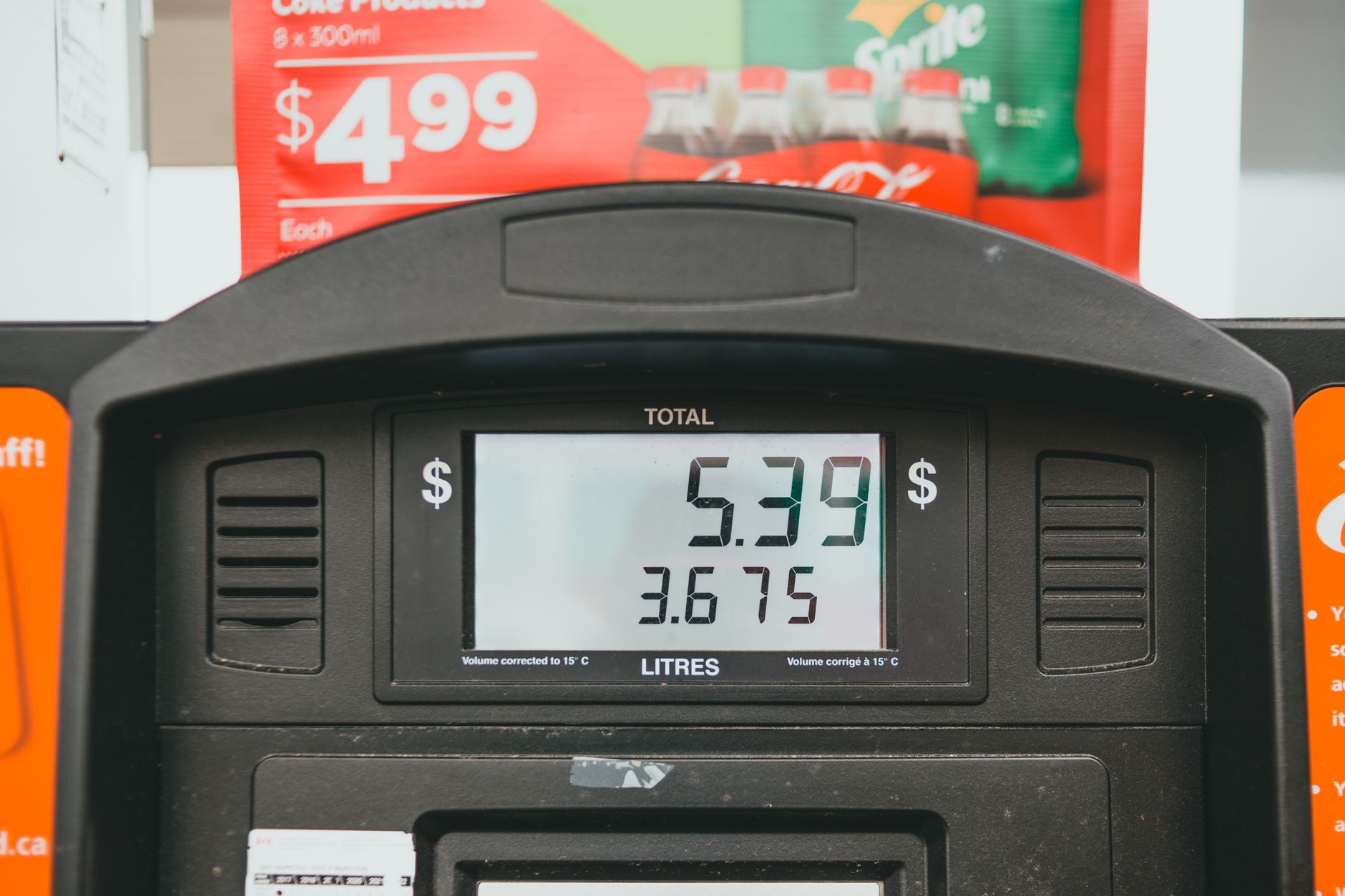
higher gas prices are impacting many households today. Understanding how to manage these costs can help you navigate the financial challenges ahead.
Understanding Higher Gas Prices
As consumers face the impact of higher gas prices, understanding the factors that contribute to these fluctuations is essential. Numerous elements influence gas prices, including global oil demand, geopolitical tensions, and seasonal changes in consumption.
The most significant factor is often the price of crude oil, which is affected by supply and demand dynamics in the international market. Other contributors include:
- Taxes: Federal and state taxes can significantly increase the overall cost of gasoline.
- Refinery Capacity: Maintenance or disruptions in refineries can lead to reduced supply, driving prices higher.
- Seasonal Demand: Higher travel during summer months typically results in increased demand, pushing prices up.
- Geopolitical Issues: Conflicts or instability in oil-producing regions can cause uncertainty, impacting prices worldwide.
With an understanding of how these factors interact, consumers can better navigate the challenges posed by higher gas prices. By staying informed and adjusting their habits, individuals can manage their fuel costs more effectively.
Impact of Interest Rates on Budgets
The rise in interest rates can significantly affect household budgets, especially when coupled with higher gas prices. As borrowing costs increase, consumers may find themselves adjusting their spending habits to accommodate these financial pressures.
When interest rates rise, the cost of loans and credit cards also tends to increase. This can lead to higher monthly payments, leaving less disposable income for other expenses, including fuel. To navigate this challenging landscape, individuals should consider the following strategies:
- Refinancing loans: Explore options to refinance existing loans at lower rates when possible.
- Budget adjustments: Review and adjust your monthly budget to prioritize essential expenses, ensuring that gas costs are manageable.
- Increase savings: Set aside funds specifically for gas expenses to alleviate the impact of fluctuating prices.
- Utilize public transport: If feasible, consider using public transportation to reduce reliance on driving.
By implementing these strategies, consumers can better manage their finances in the face of rising interest rates and higher gas prices.
Effective Strategies for Managing Costs
As higher gas prices continue to strain budgets, implementing effective strategies can help manage costs more efficiently. Here are some tips to consider:
- Plan Your Trips: Combine errands into one trip to minimize driving and reduce fuel consumption.
- Use Public Transportation: Whenever possible, opt for buses or trains to save on gas expenses.
- Consider Carpooling: Sharing rides with friends or coworkers can cut down on individual fuel costs significantly.
- Maintain Your Vehicle: Regular maintenance, such as tire inflation and oil changes, can improve fuel efficiency.
- Monitor Gas Prices: Use apps or websites to compare gas prices in your area and choose the most affordable options.
- Adjust Driving Habits: Avoid aggressive driving, which can decrease fuel efficiency; instead, drive smoothly and obey speed limits.
By employing these strategies, you can mitigate the impact of higher gas prices on your overall budget and make more informed decisions regarding your transportation needs.
The Role of Taxes in Your Expenses
The rising cost of fuel is influenced by various factors, with taxes playing a significant role in your overall expenses. As higher gas prices become a reality for many consumers, understanding how taxes contribute can help you manage costs more effectively.
In the United States, gas prices are not solely determined by crude oil costs but also by federal, state, and local taxes. These taxes can significantly inflate the price at the pump. Here are some key points to consider:
- Federal Taxes: The federal government imposes an excise tax on gasoline, which is a fixed amount per gallon. This tax contributes to infrastructure funding but adds to the overall price you pay.
- State Taxes: Each state has its own tax rates, which can vary widely. Some states impose additional taxes that can significantly increase the total cost of gasoline.
- Local Taxes: In some areas, local governments may add their own taxes on fuel, further impacting the final price.
By being aware of these taxes, you can better navigate the landscape of higher gas prices and make informed decisions about your fuel purchases.
Photo by Erik Mclean on Pexels
