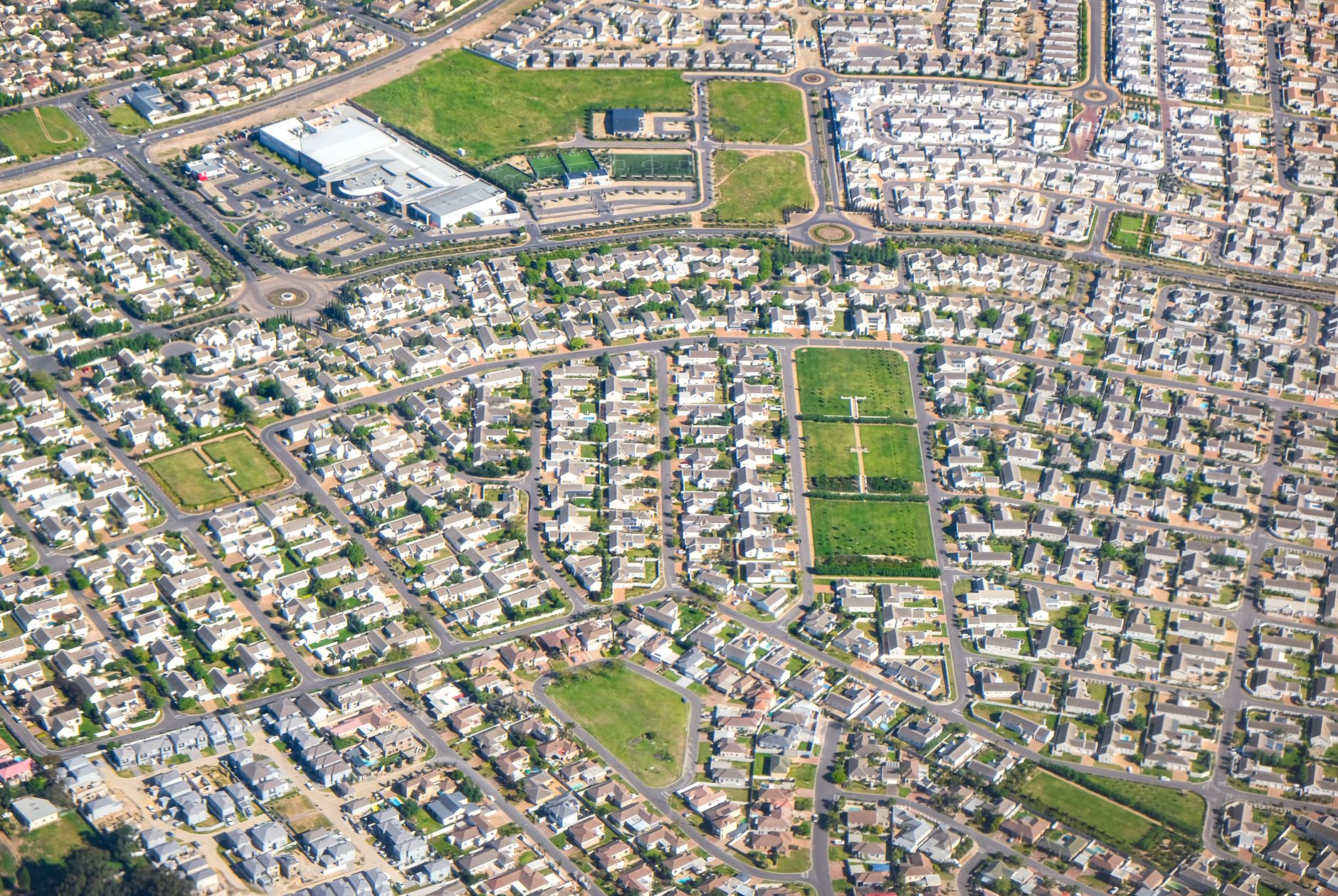
urban land prices have soared by 15% as a supply shortage stifles housebuilding. This significant increase reflects the growing challenges in the real estate market, impacting potential buyers and investors alike.
Understanding Urban Land Prices
Urban land prices have become a focal point in discussions about housing affordability and supply dynamics. The recent surge of 15 percent in these prices reflects a growing concern over the limited availability of land for development. This upward trend is largely attributed to a significant supply shortage that has hindered new housing construction.
The relationship between urban land prices and housing supply is complex. As demand for housing continues to rise, the scarcity of available land drives prices higher, making it increasingly difficult for developers to initiate new projects. Consequently, this leads to:
- Increased housing costs: Higher land prices often translate to elevated home prices for buyers.
- Limited options: A lack of affordable land restricts the variety of housing available to potential homeowners.
- Market stagnation: Developers may delay or cancel projects due to unfeasible land costs.
Understanding urban land prices and their fluctuations is essential for addressing these pressing housing challenges.
Factors Driving Price Increases
The surge in urban land prices can be attributed to several critical factors that exacerbate the ongoing supply shortage in housing. As demand for residential properties continues to rise, the limited availability of land has created a competitive market.
Key factors driving these price increases include:
- Population Growth: Urban areas are experiencing significant population influx, leading to heightened demand for housing.
- Regulatory Constraints: Zoning laws and land-use regulations often restrict the amount of land available for development, limiting new housing projects.
- Increased Construction Costs: The rising costs of materials and labor have made it more expensive to build, further constraining supply.
- Investor Activity: Increased interest from investors in urban real estate has driven up land prices, often outpacing the average buyer’s ability to compete.
These factors contribute to the overall trend of escalating urban land prices, making it increasingly challenging for developers to keep up with housing demand.
The Impact of Supply Shortages
The impact of supply shortages on urban land prices is becoming increasingly apparent in major cities. As demand for housing continues to rise, the limited availability of land has led to significant price increases. This situation is particularly acute in areas where zoning regulations and development restrictions hinder the construction of new homes.
Several factors contribute to this supply shortage, including:
- Regulatory Constraints: Local governments often impose strict zoning laws that limit land use and inhibit new developments.
- Geographical Limitations: Many urban areas are bordered by natural features or existing infrastructure, constraining available land for expansion.
- Market Speculation: Investors may buy up available parcels of land, further reducing the supply for potential housing projects.
As a result, urban land prices have soared by 15 percent, causing a ripple effect in the housing market, and making it increasingly difficult for first-time buyers to enter the market.
Current Trends in Real Estate
Current trends in real estate indicate a significant shift in urban land prices, reflecting the ongoing challenges in the housing market. Recent reports highlight that urban land prices have surged by 15 percent, a direct consequence of the persistent supply shortage that continues to stifle housebuilding efforts.
The rising demand for housing in metropolitan areas has created a competitive bidding environment, pushing prices to unprecedented levels. As developers struggle to secure adequate land for new projects, many potential homeowners find themselves priced out of the market, leading to increased frustration and a sense of urgency among buyers.
Key factors contributing to this trend include:
- Limited land availability: Zoning regulations and land use policies restrict the supply of new residential developments.
- Increasing construction costs: Higher expenses for materials and labor further exacerbate the issue.
- Government policies: Incentives for developers can sometimes fall short of addressing the supply gap.
As urban land prices continue to rise, the need for balanced solutions becomes more critical than ever.
Challenges for Homebuilders
Homebuilders are facing significant challenges as urban land prices continue to soar. With a reported increase of 15 percent in recent months, the combination of rising costs and limited availability is making it increasingly difficult for developers to keep up with demand.
The impact of these high land prices is far-reaching, leading to:
- Increased construction costs: Builders are forced to allocate more budget towards acquiring land, which can lead to cost overruns on projects.
- Delayed projects: The financial strain often results in postponements, affecting the overall housing supply.
- Reduced affordability: As land prices rise, the cost of new homes inevitably escalates, making it harder for potential buyers to enter the market.
These factors create a cycle that exacerbates the supply shortage, limiting new housing developments and further driving up urban land prices. As the market struggles to adapt, the future of homebuilding remains uncertain.
Future Predictions for Housing Market
As the housing market continues to grapple with rising urban land prices, experts predict that the trend will persist in the coming years. The ongoing supply shortage is expected to exacerbate the situation, leading to further increases in home prices and rental rates.
Several key factors are anticipated to contribute to this ongoing trend:
- Population Growth: Urban areas are seeing a surge in population, which drives demand for housing and subsequently pushes land prices higher.
- Limited Land Availability: Zoning laws and environmental regulations restrict the availability of land for new developments, perpetuating the existing supply constraints.
- Economic Recovery: As economies recover post-pandemic, increased investment in urban areas is likely to drive land prices upward.
- Interest Rates: Although rising interest rates may cool some real estate activity, the effects on urban land prices may be minimal due to persistent demand.
Overall, the housing market is poised for continued challenges, as urban land prices remain under pressure from various factors.
Advice for Potential Buyers
For potential buyers navigating the challenging landscape of urban land prices, it is essential to approach the market with a strategic mindset. Here are some key pieces of advice:
- Research Thoroughly: Understand local market trends and price fluctuations. Knowledge about specific neighborhoods can help identify undervalued areas.
- Be Prepared to Act Quickly: With urban land prices on the rise due to supply shortages, properties can sell swiftly. Have your financing in place to make timely offers.
- Consider Alternative Locations: Look at emerging neighborhoods that may offer lower prices and potential for appreciation as urban development spreads.
- Network with Professionals: Connect with real estate agents, local developers, and other buyers to gain insights and potential leads on upcoming opportunities.
- Stay Informed: Keep an eye on local policies affecting land use and zoning, as these can significantly impact urban land prices.
By following these strategies, buyers can better navigate the complexities of the current real estate market.
Local Government Responses
In response to the soaring urban land prices, local governments are implementing various strategies aimed at alleviating the supply shortage that is stifling housebuilding activities. These initiatives include:
- Increased Zoning Flexibility: Many municipalities are revising zoning laws to allow for higher-density developments. This change aims to make better use of available land and facilitate the construction of more housing units.
- Streamlined Permitting Processes: Local governments are working to reduce bureaucratic hurdles for developers. By expediting permits, they hope to accelerate project timelines and bring new housing to market more quickly.
- Investment in Infrastructure: To support new developments, some localities are investing in essential infrastructure, such as roads and public transport. This investment not only enhances accessibility but also makes areas more attractive to builders.
- Public-Private Partnerships: Collaborations between government entities and private developers are becoming increasingly common, aiming to create affordable housing solutions while addressing rising land costs.
Photo by Magda Ehlers on Pexels
