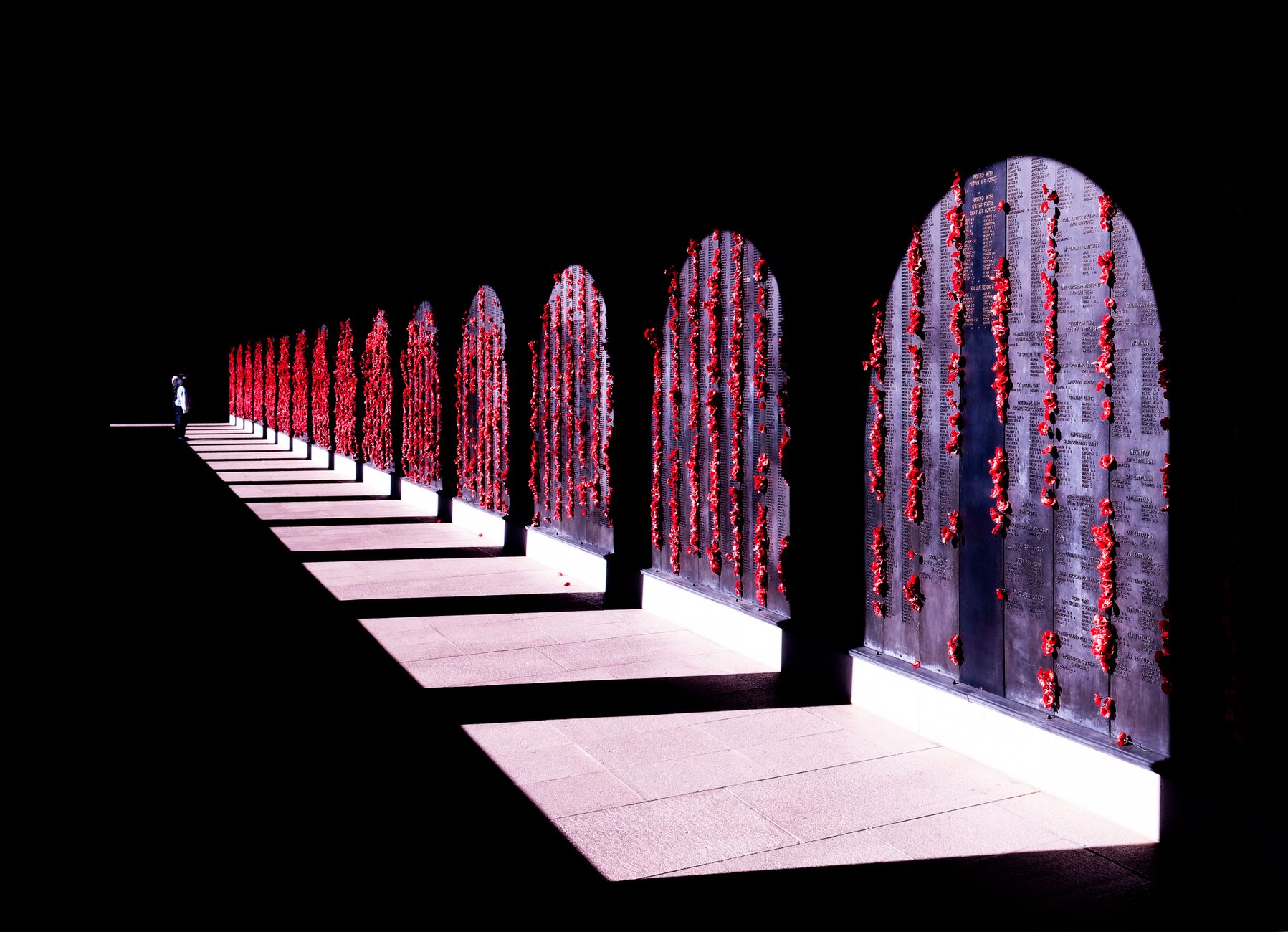
Shinzo Abe memorial corridor is a newly inaugurated tribute in Varanasi, honoring the late Japanese Prime Minister. This corridor symbolizes the enduring friendship between India and Japan.
Inauguration Ceremony Highlights
The inauguration ceremony of the Shinzo Abe memorial corridor in Varanasi was a poignant event that drew attention from dignitaries and the public alike. Akie Abe, the wife of the late Prime Minister Shinzo Abe, expressed her deep emotions during the ceremony, highlighting the significance of the corridor in promoting Japan-India relations.
The ceremony featured several notable moments:
- Emotional Speeches: Akie Abe shared heartfelt memories of her husband, emphasizing his dedication to fostering international friendships.
- Cultural Performances: Traditional Indian dance and music performances captivated attendees, showcasing the rich cultural ties between the two nations.
- Floral Tributes: Guests paid their respects by laying flowers at the memorial, honoring Shinzo Abe’s legacy and contributions.
- Community Involvement: Local residents participated enthusiastically, reflecting the corridor’s importance to the Varanasi community.
The event marked a significant moment in history, leaving many to ponder whether the Shinzo Abe memorial corridor is worth a visit for those interested in exploring the ties between Japan and India.
Akie Abe’s Emotional Speech
During the inauguration of the Shinzo Abe memorial corridor in Varanasi, Akie Abe delivered a heartfelt speech that resonated deeply with attendees. She expressed her gratitude for the honor bestowed upon her late husband, emphasizing the significance of the corridor as a bridge between Japan and India.
In her emotional address, Akie reflected on Shinzo Abe’s vision for international cooperation and friendship. She stated, “This corridor symbolizes not just my husband’s legacy but also the enduring bond between our two nations.” Her words highlighted the importance of cultural exchange and mutual respect.
Akie also shared personal anecdotes about Shinzo Abe’s love for India, recalling his visits and the warmth he felt from the people. She expressed hope that the memorial corridor would inspire future generations to continue fostering this relationship.
The audience was visibly moved, with many wiping away tears as she spoke. Akie Abe’s passionate tribute emphasized the significance of the Shinzo Abe memorial corridor as a testament to his enduring legacy.
Significance of the Memorial Corridor
The Shinzo Abe memorial corridor holds significant cultural and historical importance, serving as a tribute to the late Prime Minister of Japan. This corridor is not merely an architectural marvel; it symbolizes the enduring relationship between Japan and India, fostering stronger ties between the two nations.
Visitors to the corridor can expect to immerse themselves in a space that reflects the values and vision of Shinzo Abe. His efforts in promoting diplomacy and cooperation are commemorated through various installations and artworks that adorn the corridor.
Moreover, the site encourages discussions around global leadership and the impact of Abe’s policies on international relations. It serves as a reminder of his legacy, inspiring future leaders to embrace collaboration and mutual respect.
As tourists explore the corridor, they are likely to gain insights into the shared history and aspirations of both countries. The Shinzo Abe memorial corridor is not just a destination; it is a journey through the ideals that shaped a significant era in both Japan and India.
Cultural Ties Between India and Japan
The cultural ties between India and Japan have deepened over the years, with a shared history of mutual respect and cooperation. The inauguration of the Shinzo Abe memorial corridor in Varanasi symbolizes this enduring relationship.
Both nations have collaborated in various sectors, including technology, trade, and education, fostering a sense of camaraderie. The corridor serves as a testament to the friendship between Prime Minister Shinzo Abe and former Prime Minister Narendra Modi, highlighting their commitment to strengthening bilateral ties.
Visitors to the memorial corridor can expect to encounter an array of cultural exchanges, reflecting the rich traditions of both countries. The corridor features:
- Art installations inspired by Japanese aesthetics
- Interactive displays that showcase India’s historical connections with Japan
- Events that celebrate festivals from both cultures
As such, the Shinzo Abe memorial corridor is not just a tribute, but a vibrant space for cultural dialogue and understanding.
Future Plans for the Corridor
The future plans for the Shinzo Abe memorial corridor include a series of initiatives aimed at enhancing visitor experience and cultural appreciation. Authorities have proposed the following developments:
- Interactive Exhibits: Plans are underway to introduce interactive displays that will educate visitors about Shinzo Abe’s contributions and the deep-rooted ties between India and Japan.
- Cultural Events: Regular cultural events showcasing Japanese art, cuisine, and traditions are set to be organized within the corridor, fostering a vibrant atmosphere.
- Guided Tours: To provide a more immersive experience, guided tours led by knowledgeable historians will be introduced, ensuring visitors understand the significance of each exhibit.
- Community Engagement: Local communities will be invited to participate in initiatives to promote cultural exchange and strengthen bonds between the two nations.
These plans highlight a commitment to not only honor Shinzo Abe’s legacy but also to create a dynamic space that fosters friendship and understanding between India and Japan.
Public Reaction to the Tribute
The inauguration of the Shinzo Abe memorial corridor has sparked a variety of reactions from the public, reflecting a mix of emotions and perspectives. Many attendees expressed admiration for the tribute, emphasizing its significance in honoring the former Prime Minister’s contributions to Japan-India relations.
- Supporters of the Memorial: A group of supporters highlighted how the corridor symbolizes friendship and cooperation between the two nations. They believe it serves as a lasting reminder of Abe’s visionary leadership.
- Cultural Enthusiasts: Visitors interested in cultural exchange noted the corridor’s architectural beauty and its role in promoting tourism in Varanasi. They see it as an opportunity to learn more about Japan’s influence in India.
- Critics: Conversely, some critics questioned the necessity of such a memorial, arguing that resources could be better allocated to pressing local issues. They feel the focus should be on immediate community needs rather than international tributes.
Overall, the public’s response to the Shinzo Abe memorial corridor reflects a rich tapestry of opinions, showcasing the complexities of memorializing political figures.
Comparative Memorials in India
India is home to numerous memorials that commemorate significant figures and events, reflecting the country’s rich cultural heritage. Among these, a few stand out for their emotional resonance and historical significance.
- Gandhi Smriti: Located in New Delhi, this memorial is dedicated to Mahatma Gandhi, showcasing his life and principles. The serene surroundings offer visitors a space for reflection and connection to Gandhi’s legacy.
- Raj Ghat: The memorial of Jawaharlal Nehru, India’s first Prime Minister, is situated on the banks of the Yamuna River. It serves as a tribute to his contributions to the nation and is a popular site for both locals and tourists.
- Dr. B.R. Ambedkar Memorial: This site in Lucknow honors the architect of the Indian Constitution. It stands as a symbol of social justice and equality, attracting many who wish to learn about his impact on Indian society.
Similar to the Shinzo Abe memorial corridor in Varanasi, these memorials invite visitors to reflect on the legacies of great leaders and their contributions to the world.
Photo by Warren Griffiths on Pexels
