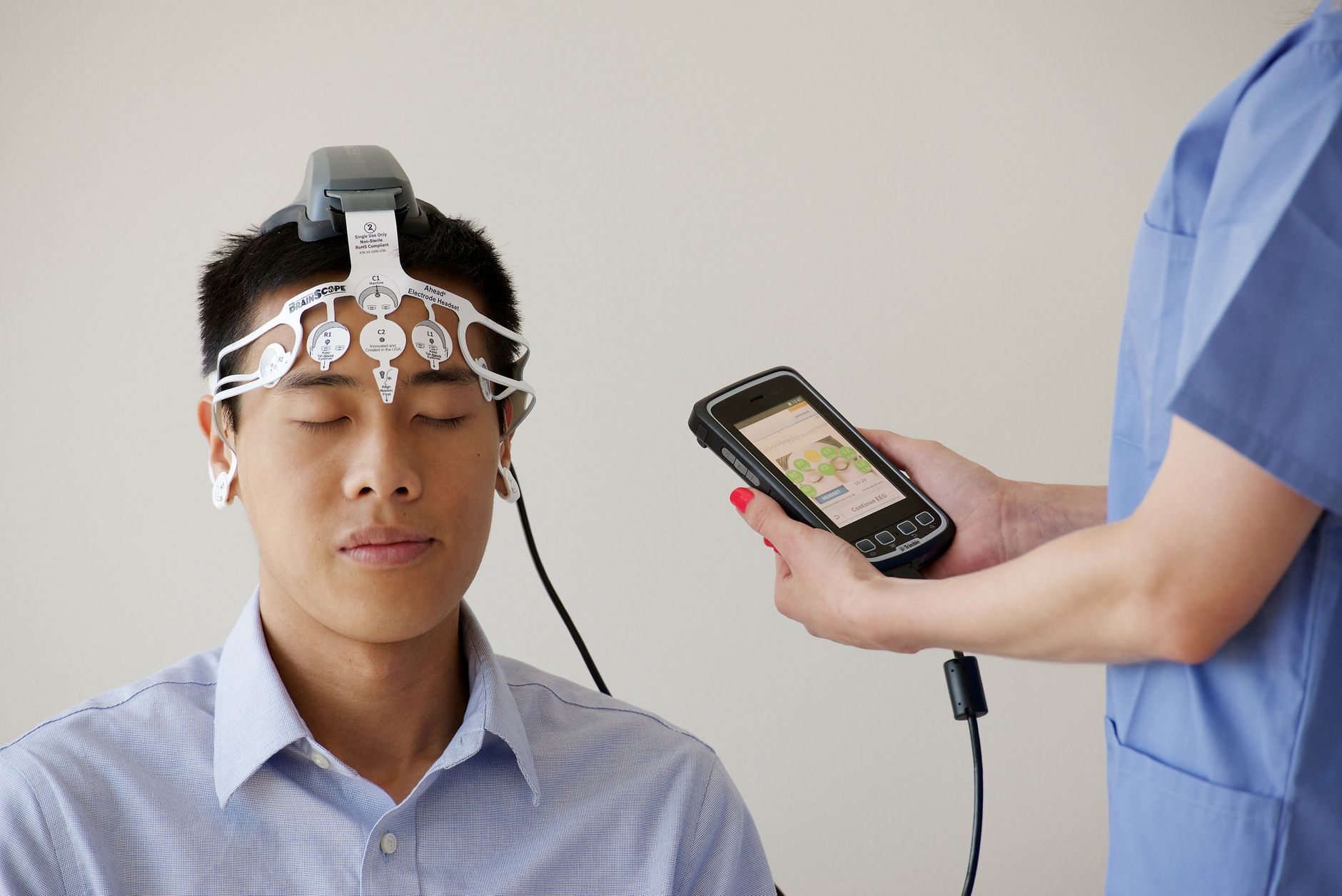
The brain stimulation device for depression has been launched by Flow Neuroscience, providing an at-home solution for individuals struggling with mental health issues.
How Does the Brain Stimulation Device Work?
The brain stimulation device for depression utilizes a technique called transcranial direct current stimulation (tDCS). This non-invasive method involves delivering a low electrical current to specific areas of the brain through electrodes placed on the scalp. The goal is to modulate neuronal activity, which can help alleviate symptoms of depression.
When the device is used, individuals typically experience a session lasting around 20 to 30 minutes. During this time, the device applies a gentle current that stimulates the prefrontal cortex, an area often linked to mood regulation. Users can engage in daily activities while the device is functioning, making it convenient for at-home use.
Research indicates that regular use of this brain stimulation device can lead to improvements in mood and a reduction in depressive symptoms. However, it is essential for users to follow the recommended guidelines and consult with healthcare professionals before starting treatment.
While the brain stimulation device offers a promising alternative for those seeking relief from depression, ongoing studies aim to refine its effectiveness and understand its long-term benefits.
Benefits of At-Home Depression Treatment
The emergence of at-home treatment options for depression has gained significant attention, particularly with the launch of the brain stimulation device for depression by Flow Neuroscience. This innovative solution offers several benefits for individuals seeking relief from their symptoms.
One of the primary advantages of using a brain stimulation device at home is the convenience it provides. Patients can integrate treatment into their daily routines without the need for frequent clinical visits. This accessibility allows for greater flexibility and can lead to better adherence to treatment protocols.
Additionally, at-home devices often come with lower costs compared to traditional therapy options. Patients can avoid expenses associated with in-person therapy sessions and transportation, making mental health care more affordable.
Another significant benefit is the comfort of a familiar environment. Many individuals find it easier to engage in treatment when they are in their own space, potentially reducing anxiety associated with clinical settings.
Lastly, at-home brain stimulation devices empower patients by giving them control over their treatment journey. This sense of agency can contribute positively to their overall mental health and well-being.
FDA Approval and Safety
The recent launch of the brain stimulation device for depression by Flow Neuroscience has garnered significant attention, particularly due to its FDA approval. This approval indicates that the device has undergone rigorous testing to ensure its safety and effectiveness for individuals struggling with depression.
Before using any medical device, it is essential to understand its safety profile. The FDA approval process involves a thorough evaluation of clinical data, including side effects and long-term effects. According to Flow Neuroscience, the device is designed to be safe for at-home use under specific guidelines.
Patients considering this treatment should be informed about potential risks. The most commonly reported side effects include:
- Minor skin irritation at the electrode sites
- Headaches
- Fatigue
While the brain stimulation device for depression offers a promising alternative to traditional therapies, patients should consult with healthcare professionals to determine if it is the right choice for their individual needs and circumstances. Ongoing monitoring and support are recommended to maximize benefits and ensure safety.
User Experiences with Flow Neuroscience
User experiences with the Flow Neuroscience brain stimulation device for depression have been largely positive, highlighting its potential as a viable treatment option. Many users report significant improvements in their mood and overall well-being after consistent use of the device. The convenience of at-home therapy has been particularly praised, allowing individuals to incorporate the treatment into their daily routines without the need for frequent clinical visits.
Several users shared their thoughts:
- Sarah, 28: “I was skeptical at first, but after a few weeks, I noticed a real difference. It’s easy to use while I watch TV or read.”
- James, 35: “The Flow device became a part of my evening routine. I felt more focused and less anxious. It’s a game changer.”
- Emily, 42: “I love that it’s non-invasive. I’ve tried medications before, and this feels much more natural for me.”
While results vary, many users emphasize that the brain stimulation device for depression offers hope and a new avenue for managing their symptoms effectively.
Photo by KOS Chiropractic Integrative Health on Pexels
