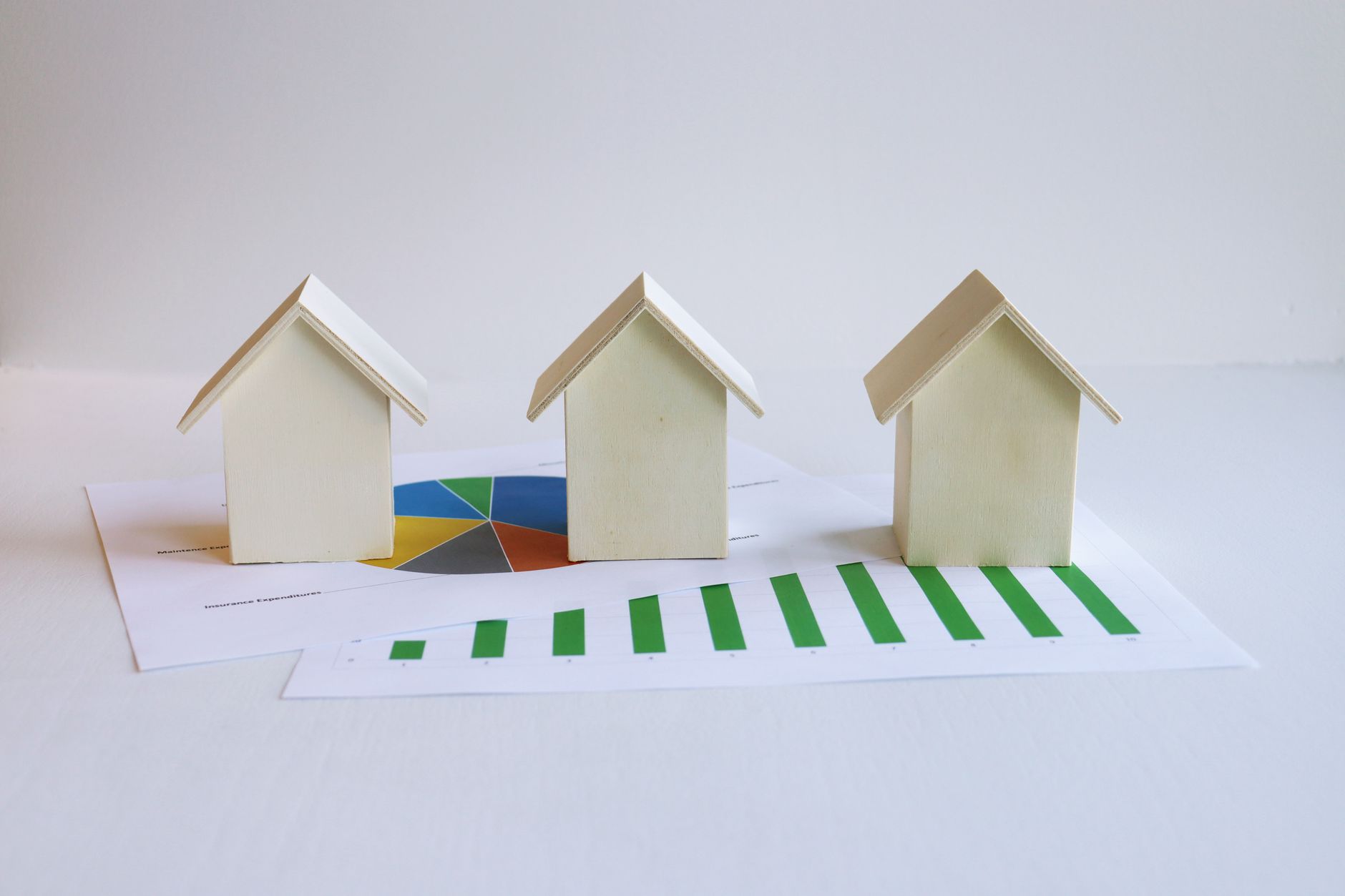
China home prices decline has been a significant trend in August, with prices falling across 70 cities. This ongoing trend raises concerns about the secondhand market and overall market stability.
Overview of China’s Housing Market
China’s housing market has faced significant challenges in recent months, with home prices declining across 70 cities in August. This trend reflects a broader struggle within the real estate sector, as both new and secondhand home sales continue to weaken. The decline in home prices is particularly concerning for homeowners and investors who have invested heavily in the market.
In tier-1 cities like Beijing and Shanghai, however, there are signs of stabilization, which may provide a glimmer of hope amid the downturn. These cities have seen less drastic price drops compared to their smaller counterparts, indicating a potential shift in buyer confidence and market dynamics.
The impact of this decline is felt not only by property owners but also by the economy at large. A weakened housing market can lead to reduced consumer spending and slower economic growth. Additionally, local governments may face budgetary challenges due to decreased tax revenues from property transactions.
As the situation unfolds, experts are closely monitoring the housing market for signs of recovery or further decline. It remains to be seen how the government will respond to stabilize the market and restore confidence among potential buyers.
China Home Prices Decline: What’s Driving It?
China’s home prices decline is influenced by a combination of economic factors and government policies. One significant driver is the ongoing economic uncertainty, which has led to decreased consumer confidence. Many potential buyers are hesitant to invest in property, fearing further price drops.
Additionally, strict regulations aimed at curbing speculation in the housing market have resulted in tighter lending conditions. These measures, while intended to stabilize the market, have also restricted access to financing for many buyers, further dampening demand.
Another critical factor is the oversupply of housing in certain areas. In many tier-2 and tier-3 cities, developers have built extensively, leading to a surplus of unsold homes. This excess supply has contributed to the decline in prices, as sellers are forced to reduce their asking prices to attract buyers.
Despite the overall downturn, some tier-1 cities are showing signs of stabilization. The demand in these urban centers remains relatively strong, supported by ongoing migration and job opportunities. However, the general trend across the country indicates a continued struggle for the housing market as it adapts to these changing dynamics.
Understanding these driving forces is essential for anyone looking to navigate the current real estate landscape in China.
The Secondhand Market Weakens
As China’s home prices decline, the secondhand market is experiencing a notable weakening. Reports indicate that the average price for previously owned homes has dropped significantly in various cities, reflecting the challenges faced by sellers and buyers alike. This decline is particularly pronounced in lower-tier cities, where demand has waned amid economic uncertainty.
Several factors contribute to this trend:
- Increased Supply: A surge in the number of secondhand homes available on the market has led to heightened competition, resulting in price reductions.
- Economic Concerns: Many potential buyers are hesitant to make purchases due to fears of further price declines, leading to a wait-and-see approach.
- Financing Challenges: Stricter lending criteria and rising interest rates have made it more difficult for buyers to secure loans, further dampening demand.
While tier-1 cities show some signs of stabilization, the overall sentiment in the secondhand market remains cautious. As home prices continue to decline, both buyers and sellers must navigate this shifting landscape with care and consideration.
Stabilization in Tier-1 Cities
In a notable development, the home prices in China’s tier-1 cities are beginning to show signs of stabilization, despite the overall trend of decline in the housing market. This shift offers a glimmer of hope amid the broader context of falling prices, as reported in recent analysis.
Key factors contributing to this stabilization include:
- Increased demand: Many buyers are returning to tier-1 cities, attracted by job opportunities and urban amenities.
- Government policies: Local governments are implementing measures to support the housing market, such as lowering mortgage rates and easing purchase restrictions.
- Limited supply: A decrease in new housing starts has resulted in a tighter supply, helping to maintain prices in these urban areas.
While the overall trend of a decline in home prices across China remains concerning, the performance of tier-1 cities indicates a potential divergence. Buyers here are becoming more confident, which could lead to a gradual recovery in the market. However, the situation remains fluid, and stakeholders are closely monitoring the impacts of these developments on the broader housing landscape.
Future Predictions for Home Prices
The current trend of declining home prices in China raises important questions about the future of the housing market. Analysts are divided on whether this downward trajectory will continue or if stabilization is on the horizon. Here are some key predictions:
- Continued Decline: Some experts suggest that China home prices will continue to decline in the short term, driven by weak demand, particularly in smaller cities. This could lead to further price corrections as builders and developers adjust to the market conditions.
- Gradual Recovery: Others believe that the market may see a gradual recovery in the next year, especially in tier-1 cities where demand remains relatively strong. Government policies aimed at stimulating the economy may also play a role in revitalizing home prices.
- Long-term Stabilization: A long-term prediction indicates that home prices may stabilize as supply and demand reach a more balanced state. This could lead to a healthier housing market where prices reflect true value rather than speculative growth.
Ultimately, the future of China’s home prices will depend on a complex interplay of economic factors, government intervention, and consumer sentiment.
The ongoing trend of China home prices decline has raised concerns among economists and investors alike. Understanding how this China home prices decline affects the broader economy is crucial for making informed decisions moving forward.
Photo by Artful Homes on Pexels
