
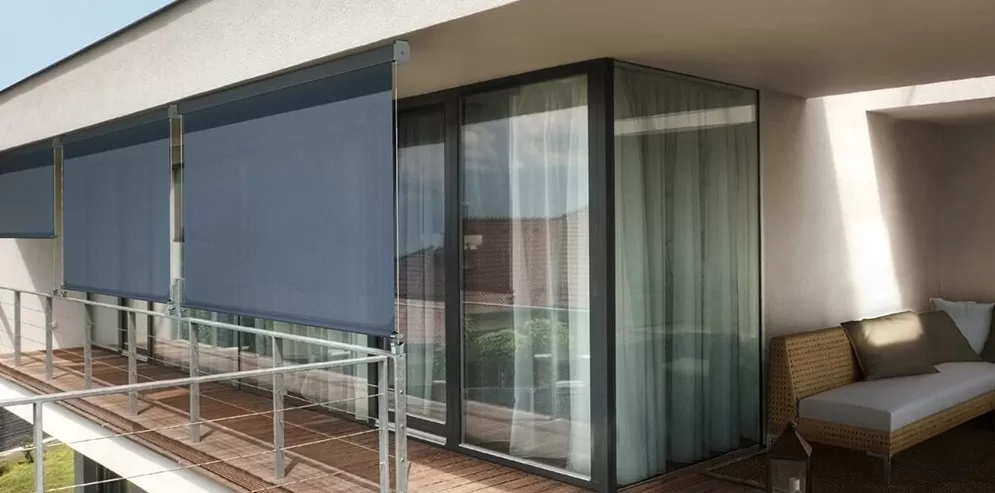
Installing blinds for balcony spaces represents one of the most transformative yet challenging decisions homeowners face when creating functional outdoor living areas. Singapore’s unique tropical climate, with its intense sunlight, sudden downpours, and high humidity levels, demands specialised solutions that can withstand the elements whilst providing privacy, comfort, and aesthetic appeal for balcony spaces that serve as extensions of indoor living areas.
The Evolution of Balcony Window Treatments
Singapore’s balcony blind industry has undergone a remarkable transformation over the past decade, evolving from basic canvas awnings to sophisticated systems incorporating weather-resistant materials, motorised controls, and smart home integration. The shift reflects changing lifestyle patterns, with balconies increasingly viewed as valuable outdoor rooms rather than mere service areas for drying clothes.
“Balconies in Singapore serve multiple purposes now,” explains a veteran installer who has worked across hundreds of HDB flats and private condominiums. “Residents want spaces that function as outdoor dining areas, gardens, and relaxation zones, which require window treatments that can adapt to different uses throughout the day.”
This evolution has driven demand for balcony privacy blinds that offer flexibility, durability, and weather resistance far beyond traditional indoor window treatments.
Understanding Singapore’s Balcony Challenges
Singapore’s equatorial climate presents unique obstacles for outdoor blinds installation. The combination of intense UV radiation, torrential rain, and persistent humidity creates an environment that tests even the most robust materials. Additionally, Singapore’s urban density means balconies often face neighbouring units, creating privacy concerns that influence blind selection and positioning.
Professional installers identify several critical factors specific to Singapore’s balcony environments:
- Wind resistance: High-rise locations experience significant wind loads requiring robust anchoring systems
- Water drainage: Effective water management prevents pooling and material degradation during monsoon seasons
- UV protection: Materials must resist fading and degradation under intense tropical sun exposure
- Privacy screening: Dense urban living necessitates effective sight line blocking without sacrificing ventilation
- Easy maintenance: Accessible cleaning and repair systems accommodate Singapore’s dust and humidity levels
Material Selection for Tropical Durability
The choice of materials distinguishes professional-grade outdoor balcony blinds from inferior alternatives that deteriorate rapidly in Singapore’s demanding climate. Premium suppliers offer fabrics and components specifically engineered for tropical outdoor applications.
Weather-resistant options include marine-grade aluminium frames that resist corrosion from salt air, particularly crucial for coastal-facing balconies. UV-stabilised fabrics maintain colour integrity despite constant sun exposure, whilst antimicrobial treatments prevent mould growth during Singapore’s humid periods.
“Material selection makes the difference between blinds lasting two years versus twenty years,” notes a senior technical specialist with extensive experience in high-rise installations. “Singapore’s climate is unforgiving to inferior materials, but properly specified systems can perform beautifully for decades.”
Installation Considerations for Singapore Balconies
Professional installation of balcony window treatments requires understanding Singapore’s diverse architectural styles, from compact HDB balconies to expansive penthouse terraces. Each presents unique mounting challenges that demand creative engineering solutions.
HDB balconies typically feature concrete slab construction with limited mounting points, requiring specialised brackets that distribute loads effectively. Condominium balconies may incorporate glass balustrades and metal frameworks that influence mounting strategies and blind positioning.
Key installation factors include:
- Structural assessment: Determining load-bearing capacity for wind and operational stresses
- Drainage integration: Ensuring blind systems don’t interfere with balcony water management
- Maintenance access: Positioning systems for easy cleaning and seasonal adjustments
- Building compliance: Adhering to management corporation guidelines and fire safety requirements
Motorisation and Smart Controls
Modern balcony blind systems increasingly incorporate motorised controls that enhance convenience whilst protecting the blinds themselves. Automated systems can respond to weather sensors, retracting during high winds or extending automatically during peak sun hours.
Smart home integration allows balcony blinds to coordinate with indoor air conditioning systems, reducing energy consumption by blocking heat gain during the hottest parts of the day. Advanced systems can be programmed to create different privacy and shading configurations for various activities, from morning exercise routines to evening entertaining.
Privacy Solutions for Urban Balconies
Singapore’s high-density living creates complex privacy requirements that influence blind selection and positioning. Effective privacy screening must block sight lines from neighbouring units whilst maintaining airflow and natural light access.
Graduated privacy systems offer sophisticated solutions, with different opacity levels at various heights. Lower sections might feature complete privacy screening, whilst upper portions allow light infiltration and sky views. Side panels can address lateral privacy concerns without creating claustrophobic enclosed spaces.
Maintenance in Singapore’s Climate
Regular maintenance extends the balcony blind’s lifespan significantly in Singapore’s challenging environment. Professional maintenance programs address specific tropical concerns, including fabric cleaning to remove humidity-related particles, hardware lubrication to prevent corrosion, and seasonal adjustments to accommodate monsoon weather patterns.
Monthly inspections during peak weather seasons identify potential issues before they become costly repairs. Annual professional servicing ensures optimal performance and maintains warranty coverage on premium systems.
Future Trends in Balcony Blinds
Singapore’s balcony blind market continues evolving, with sustainability becoming increasingly important to environmentally conscious consumers. Recycled materials and solar-powered motorisation systems align with Singapore’s green building initiatives whilst providing practical benefits.
Integration with air quality monitoring systems represents an emerging trend, with blinds automatically adjusting based on pollution levels and weather conditions. These smart systems optimise outdoor comfort whilst protecting indoor air quality.
Investment Considerations
Quality balcony blinds represent significant investments that reward careful selection and professional installation. The harsh tropical environment quickly exposes inferior products, making upfront investment in premium materials and expert installation economically sensible.
Proper specification and installation create outdoor spaces that enhance property values whilst providing years of comfortable use. The transformation of utilitarian balconies into functional outdoor rooms justifies the investment through improved quality of life and expanded living space.
Singapore’s sophisticated market offers exceptional solutions for discerning homeowners willing to invest in quality outdoor window treatments. Professional consultation ensures optimal material selection, expert installation, and maintenance planning that maximises the investment value of blinds for balcony applications.
