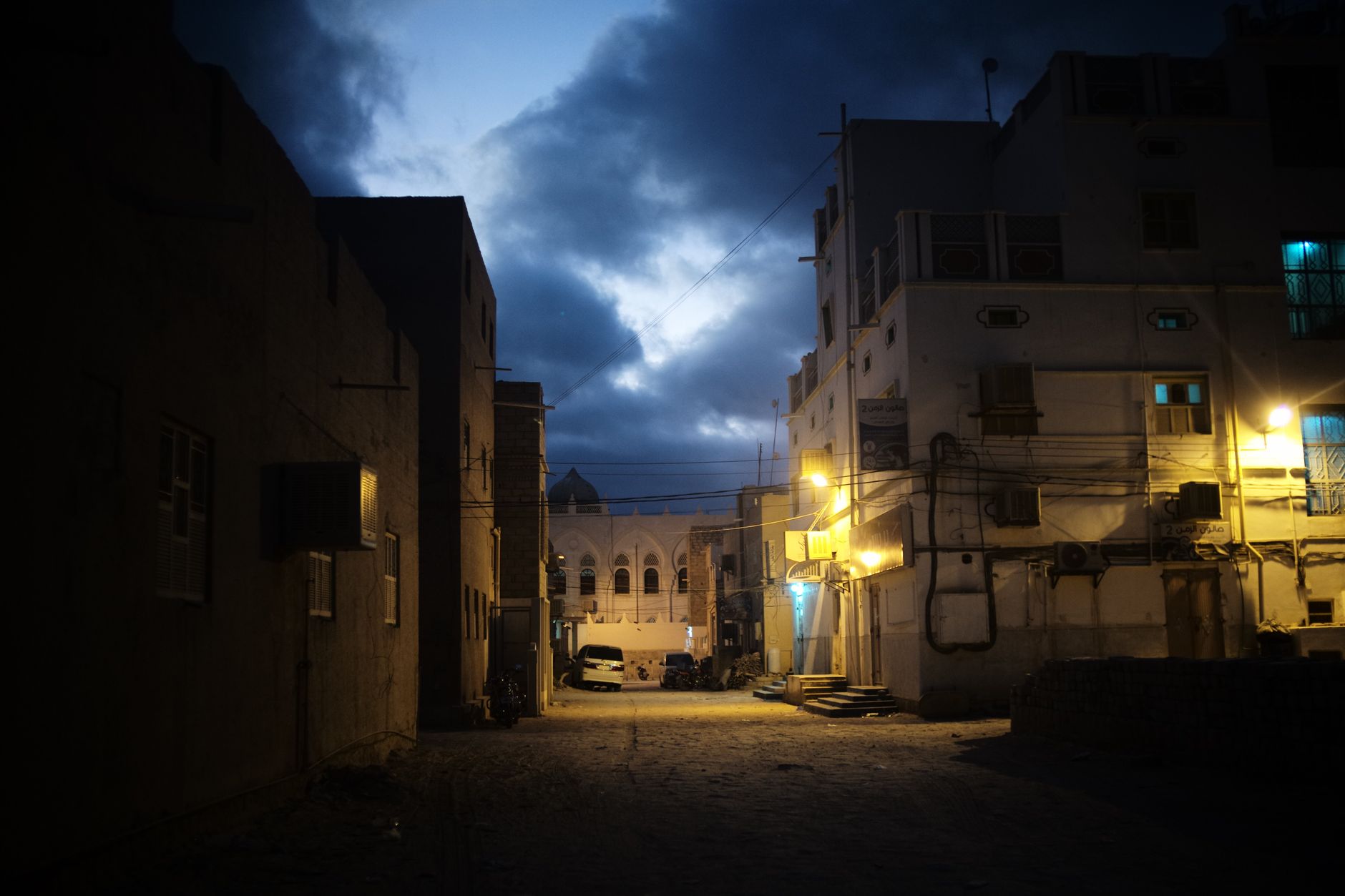
Yemen real estate is dramatically affected as shelling worsens and prices spiral. The ongoing conflict in Taiz is creating a challenging environment for buyers and sellers alike.
Current State of Yemen Real Estate
The current state of Yemen real estate is deteriorating rapidly, particularly in conflict-affected areas like Taiz. As shelling intensifies, the impact on property prices has become increasingly severe, leading to a volatile market that is discouraging investment and home buying.
In Taiz, many residents are facing difficulties as their homes are damaged or destroyed. The ongoing violence has not only caused physical harm but has also led to a significant rise in prices for available properties. This situation is creating a disparity between the demand for housing and the limited supply.
Key factors influencing the current state include:
- Increased Damage: Continuous shelling has left many buildings in ruins, making them uninhabitable.
- Displaced Populations: Families are fleeing conflict zones, leading to a surge in demand for safe housing.
- Market Instability: Uncertainty regarding future violence makes potential buyers hesitant to invest in real estate.
As conditions worsen, the outlook for Yemen real estate remains bleak, with many experts predicting further declines in property values if the conflict persists.
Impact of Shelling on Property Prices
The ongoing conflict in Yemen has had a devastating impact on the real estate market, particularly in areas like Taiz, where shelling has intensified. Property prices have spiraled downward, creating a challenging environment for both buyers and sellers.
In recent months, the following factors have contributed to the decline in property values:
- Increased Shelling: The constant threat of bombardment has made many properties unsafe, leading to a decrease in demand.
- Displacement of Residents: As families flee conflict zones, the local population decreases, further driving down property prices.
- Economic Instability: The overall economy of Yemen is in turmoil, affecting purchasing power and investment in real estate.
- Limited Financing Options: With banks struggling to operate, potential buyers have fewer financing options available, stalling sales.
As a result, the real estate market in Yemen is experiencing unprecedented challenges. Many homeowners are left with properties that have lost significant value, while potential buyers hesitate to invest in a market fraught with uncertainty. The future of Yemen real estate remains bleak as long as the violence continues.
Future of Real Estate in Taiz
The future of real estate in Taiz remains uncertain as the ongoing conflict continues to disrupt the market. With the escalation of shelling, potential buyers are becoming increasingly wary, leading to a significant decline in property transactions. Many residents are postponing their plans to invest in Yemen real estate, hoping for a stabilization of the situation before making any commitments.
Real estate agents in the area report that interest in properties has dropped dramatically. The ongoing violence not only affects the demand but also the prices, which have become volatile and unpredictable. In this climate, homeowners are hesitant to sell, fearing they may lose value on their properties.
Furthermore, the lack of infrastructure and basic services exacerbates the problem. Many buildings have been damaged or destroyed, creating a shortage of safe housing. As a result, even when prices drop, the perceived risk of investment remains high.
In light of these challenges, stakeholders in the real estate sector are calling for a ceasefire and a renewed focus on peace talks to restore confidence in the market. Until then, the prospects for real estate in Taiz will likely remain bleak.
Challenges for Buyers and Sellers
The ongoing conflict in Yemen has created significant challenges for both buyers and sellers in the real estate market. The persistent shelling in cities like Taiz has not only affected the physical infrastructure but also led to a dramatic shift in property values. Buyers are hesitant to invest in Yemen real estate due to the uncertainty and risks associated with ongoing violence.
Sellers, on the other hand, find themselves in a difficult position as they struggle to set competitive prices that reflect the current market conditions. Many properties remain unsold for extended periods, leading to frustration among sellers who need to liquidate their assets. The fear of further shelling and instability has made it increasingly challenging to attract potential buyers.
Additionally, the lack of reliable information and transparency in the market complicates decision-making for both parties. With many areas being inaccessible due to conflict, it becomes nearly impossible for buyers to view properties firsthand. This situation leads to a reliance on digital platforms, which may not always provide accurate representations of properties.
Ultimately, the ongoing turmoil in Yemen continues to cast a shadow over the real estate market, leaving both buyers and sellers grappling with uncertainty and fluctuating prices.
The ongoing conflict has severely affected Yemen real estate, leading to a significant decline in property values. As shelling continues, the worst impact of shelling on prices is evident across various regions.
Photo by irwan zahuri on Pexels
Read the original
Related reading
Smart Home Products: The Best Innovations from Apple’s Launch · Smart home hub: Is it the best device for your home? · Cement prices Himachal: Worst rise in a month!
